

Programme
Keynote speakers
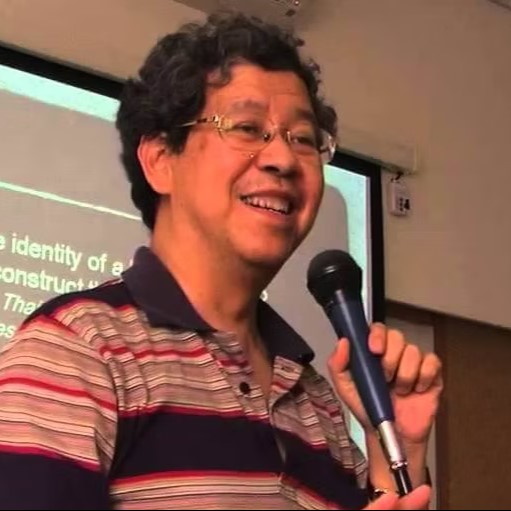
Prof. Dr. Soraj Hongladarom
Philosophy of Technology & Buddhist studies
Prof. Dr. Soraj Hongladarom
Philosophy of Technology & Buddhist studies
- More extensive bio
- Thailand
About prof. Hongladarom
Professor Dr. Soraj Hongladarom's areas of specialization include AI ethics, Philosophy of Technology, and Buddhist Ethics. Additionally, he is competent in early modern philosophy and the intersection of philosophy and literature. His research interests are diverse, covering areas such as AI ethics, Buddhist philosophy, and intercultural ethics.
Currently, Professor Dr. Soraj Hongladarom serves as a lecturer at the International Buddhist Studies College, Mahachulalongkornrajavidyalaya University, where he continues to inspire and educate students in the fields of philosophy and Buddhist studies. His work not only bridges Western and Eastern philosophical traditions but also addresses contemporary ethical issues.
About prof. Hongladarom
Professor Dr. Soraj Hongladarom's areas of specialization include AI ethics, Philosophy of Technology, and Buddhist Ethics. Additionally, he is competent in early modern philosophy and the intersection of philosophy and literature. His research interests are diverse, covering areas such as AI ethics, Buddhist philosophy, and intercultural ethics.
Currently, Professor Dr. Soraj Hongladarom serves as a lecturer at the International Buddhist Studies College, Mahachulalongkornrajavidyalaya University, where he continues to inspire and educate students in the fields of philosophy and Buddhist studies. His work not only bridges Western and Eastern philosophical traditions but also addresses contemporary ethical issues.
About prof. Hongladarom
Professor Dr. Soraj Hongladarom's areas of specialization include AI ethics, Philosophy of Technology, and Buddhist Ethics. Additionally, he is competent in early modern philosophy and the intersection of philosophy and literature. His research interests are diverse, covering areas such as AI ethics, Buddhist philosophy, and intercultural ethics.
Currently, Professor Dr. Soraj Hongladarom serves as a lecturer at the International Buddhist Studies College, Mahachulalongkornrajavidyalaya University, where he continues to inspire and educate students in the fields of philosophy and Buddhist studies. His work not only bridges Western and Eastern philosophical traditions but also addresses contemporary ethical issues.

Prof. dr. Catriona McKinnon
Ethics of Artificial Intelligence
Prof. dr. Catriona McKinnon
Ethics of Artificial Intelligence
About prof. Catriona McKinnon
I am a political philosopher working on environmental ethics and climate justice with a particular focus on what we owe to future people in the face of our multiple environmental crises. I am the co-director of RENEW: Renewing Biodiversity Through a People-in-Nature Approach. This five year programme funded by NERC (£12m) brings together academics from all Faculties at Exeter, and dozens of external partners, to research and implement solutions to the UK's biodiversity crisis.
I was educated in the Philosophy department at University College London. Under the supervision of Professor Jo Wolff and Professor Veronique Munoz-Darde, my PhD explored the importance of self-respect and its social bases in the political philosophy of John Rawls.
Before completing my PhD I took up a Lectureship in the Politics department at Exeter in 1997. In 2000 I moved to the Politics department at the University of York, and then to the Politics department at the University of Reading in 2004. I became a Reader in Political Theory at Reading in 2008 and was promoted to Professor in 2010. Coming full circle, I rejoined the department of Politics at Exeter in 2019.
About prof. Catriona McKinnon
I am a political philosopher working on environmental ethics and climate justice with a particular focus on what we owe to future people in the face of our multiple environmental crises. I am the co-director of RENEW: Renewing Biodiversity Through a People-in-Nature Approach. This five year programme funded by NERC (£12m) brings together academics from all Faculties at Exeter, and dozens of external partners, to research and implement solutions to the UK's biodiversity crisis.
I was educated in the Philosophy department at University College London. Under the supervision of Professor Jo Wolff and Professor Veronique Munoz-Darde, my PhD explored the importance of self-respect and its social bases in the political philosophy of John Rawls.
Before completing my PhD I took up a Lectureship in the Politics department at Exeter in 1997. In 2000 I moved to the Politics department at the University of York, and then to the Politics department at the University of Reading in 2004. I became a Reader in Political Theory at Reading in 2008 and was promoted to Professor in 2010. Coming full circle, I rejoined the department of Politics at Exeter in 2019.
About prof. Catriona McKinnon
I am a political philosopher working on environmental ethics and climate justice with a particular focus on what we owe to future people in the face of our multiple environmental crises. I am the co-director of RENEW: Renewing Biodiversity Through a People-in-Nature Approach. This five year programme funded by NERC (£12m) brings together academics from all Faculties at Exeter, and dozens of external partners, to research and implement solutions to the UK's biodiversity crisis.
I was educated in the Philosophy department at University College London. Under the supervision of Professor Jo Wolff and Professor Veronique Munoz-Darde, my PhD explored the importance of self-respect and its social bases in the political philosophy of John Rawls.
Before completing my PhD I took up a Lectureship in the Politics department at Exeter in 1997. In 2000 I moved to the Politics department at the University of York, and then to the Politics department at the University of Reading in 2004. I became a Reader in Political Theory at Reading in 2008 and was promoted to Professor in 2010. Coming full circle, I rejoined the department of Politics at Exeter in 2019.

Prof. dr. Emma Ruttkamp-Bloem
Ethics of Artificial Intelligence
Prof. dr. Emma Ruttkamp-Bloem
Ethics of Artificial Intelligence
- More extensive bio
- South Africa
About prof. Ruttkamp-Bloem
Prof. Ruttkamp-Bloem is the leader of the ethics of artificial intelligence research group at the Centre for Artificial Intelligence Research (CAIR) in South Africa.
In her capacity as an AI ethics policy researcher, Prof Ruttkamp-Bloem is a member of the AUDA-NEPAD Consultative Roundtable on Ethics in Africa and a current member of the UNESCO World Commission for Ethics of Scientific Knowledge and Technology (COMEST).
She was the chairperson of the Bureau of the UNESCO Ad Hoc Expert Group (AHEG) on the ethics of artificial intelligence tasked to prepare a recommendation for a global instrument on the ethics of AI by September 2020.
She is a member of the advisory board of the Wallenberg AI, Autonomous Systems and Software Program (Human Sciences) in Sweden and of the advisory board of the Global AI Ethics Institute.
About prof. Ruttkamp-Bloem
Prof. Ruttkamp-Bloem is the leader of the ethics of artificial intelligence research group at the Centre for Artificial Intelligence Research (CAIR) in South Africa.
In her capacity as an AI ethics policy researcher, Prof Ruttkamp-Bloem is a member of the AUDA-NEPAD Consultative Roundtable on Ethics in Africa and a current member of the UNESCO World Commission for Ethics of Scientific Knowledge and Technology (COMEST).
She was the chairperson of the Bureau of the UNESCO Ad Hoc Expert Group (AHEG) on the ethics of artificial intelligence tasked to prepare a recommendation for a global instrument on the ethics of AI by September 2020.
She is a member of the advisory board of the Wallenberg AI, Autonomous Systems and Software Program (Human Sciences) in Sweden and of the advisory board of the Global AI Ethics Institute.
About prof. Ruttkamp-Bloem
Prof. Ruttkamp-Bloem is the leader of the ethics of artificial intelligence research group at the Centre for Artificial Intelligence Research (CAIR) in South Africa.
In her capacity as an AI ethics policy researcher, Prof Ruttkamp-Bloem is a member of the AUDA-NEPAD Consultative Roundtable on Ethics in Africa and a current member of the UNESCO World Commission for Ethics of Scientific Knowledge and Technology (COMEST).
She was the chairperson of the Bureau of the UNESCO Ad Hoc Expert Group (AHEG) on the ethics of artificial intelligence tasked to prepare a recommendation for a global instrument on the ethics of AI by September 2020.
She is a member of the advisory board of the Wallenberg AI, Autonomous Systems and Software Program (Human Sciences) in Sweden and of the advisory board of the Global AI Ethics Institute.
Other sessions
Previous conferences included among others papers and sessions on the following topics:
- Philosophy and Ethics of AI
- Bodies, Minds, and Subjects
- Technology and Disruption
- Geo-Technology & Bio-Technology
- Methodological Issues, Questions, and Practices
- Design and Values
- Politics & Technology
- Intercultural Ethics of Technology
- Art & Aesthetics
This year’s conference will amongst others have the following thematic tracks:
- Conceptual Disruption: Theoretical Issues and Practical Approaches
- Environmental Philosophy and Technology in Turbulent Times
- Health, Well-Being and Emotions in an Age of Socially Disruptive Technologies
- Transdisciplinarity: Value, Challenges, Methods and Tools
- Ethics at Scale: Systems, Infrastructures, and Societal Impact
- Towards a Hybrid Ethics of Technology; Bridging Ethics of Technology and Intercultural-Comparative Ethics